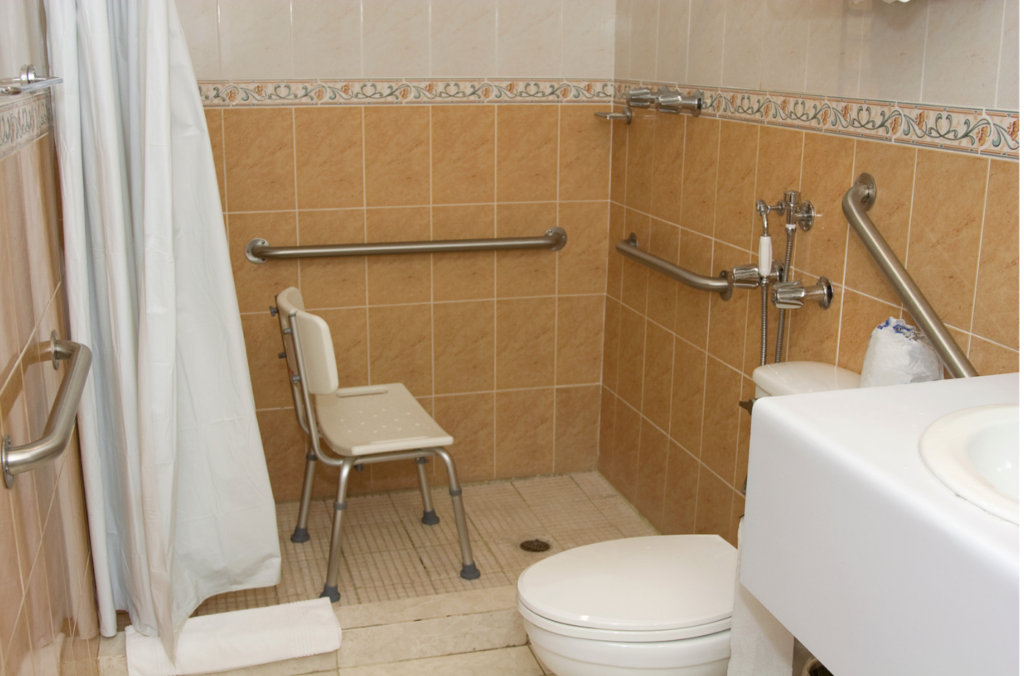

Home modifications involve making physical changes to the home environment to accommodate the changing needs and abilities of the person. These changes can range from simple adaptations, such as installing handrails or grab bars, to more complex renovations, such as adding a ramp or widening doorways. Home modifications can be vital to maintaining independence and safety for older adults and people with neurological conditions.
There are several reasons why home modifications can be significant for older adults and people with neurological conditions:
- Maintaining independence: Home modifications can help people with neurological conditions and older adults maintain their independence by making it easier for them to perform daily activities, such as bathing, dressing, and cooking.
- Improving safety: Home modifications can help improve safety by reducing the risk of falls and accidents. For example, installing handrails and grab bars can help prevent falls in the bathroom, and adding a ramp can make it easier for people with mobility impairments to access the home.
- Reducing the need for long-term care: Home modifications can help people with neurological conditions and older adults stay in their homes longer rather than moving to a long-term care facility.
Occupational therapists (OTs) can be an essential resource for identifying and implementing home modifications. OTs are trained to assess the needs and abilities of people with neurological conditions and older adults and to recommend appropriate home modifications. Occupational therapists can also provide education and resources to help caregivers understand the benefits of home modifications and how to make the necessary changes.