Assistive technology refers to any device, piece of equipment, or software application that is used to help people with disabilities, injuries, or impairments to communicate better, participate in activities, maintain their independence, and improve safety.
Assistive Technology can be used by older adults and people with neurological conditions to overcome or compensate for impairments in communication, cognition, and physical function.
Examples of assistive technology include:
- Speech-generating devices: used by people with communication impairments, such as those with a stroke or a progressive neurological condition, to help them speak and communicate.
- Adaptive switches: These devices can be used by people with physical impairments to control lights, appliances, and other electronic devices in their homes.
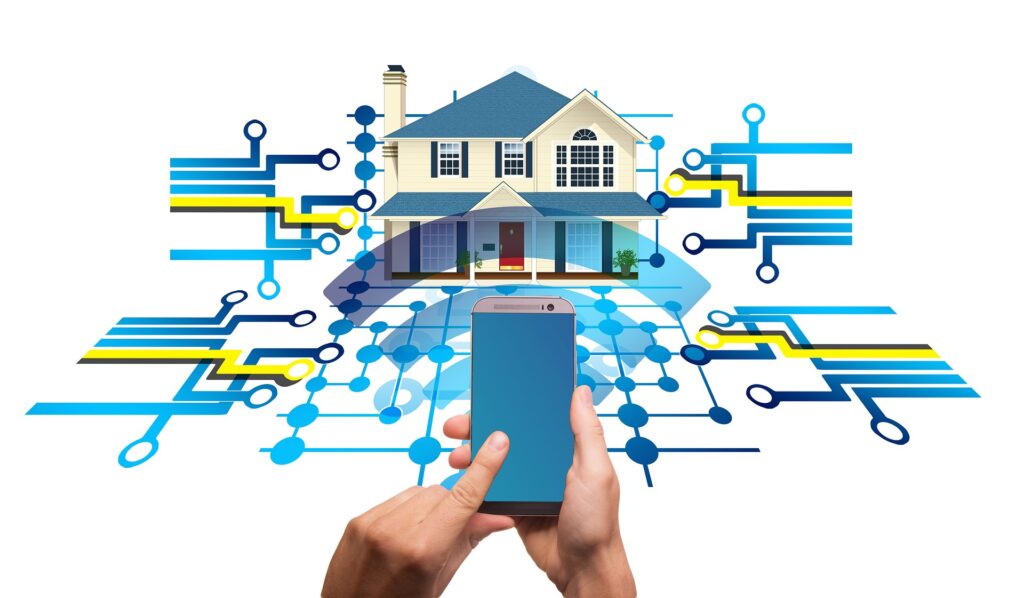
- Smart home technology: such as Amazon Echo and Google Home, can be used to automate home functions such as turning off lights, adjusting the thermostat, and setting reminders which can be helpful for people with cognitive impairments and physical impairments, making it easier to maintain independence and safety.
- Monitoring devices: such as a wireless bed alarm, smartwatch, and fall prevention cameras, can be used by people with memory impairments, such as those with dementia, to help them navigate and orient themselves in their environment and reduce potential risks.
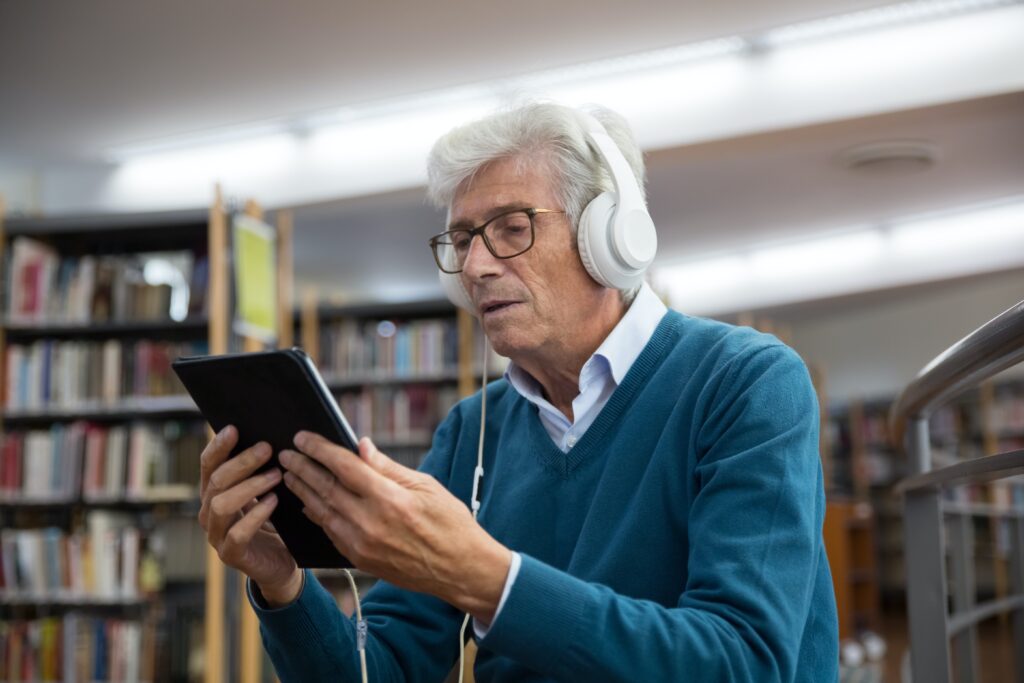
- Tablet and phone apps: There is a wide range of apps available on tablets and smartphones that can provide support for various needs, such as cognitive and communication aids, medication reminders, and information on local services and support.
Overall, assistive technology can be a powerful tool for improving the lives of older adults and people with neurological conditions by supporting their communication, participation, independence, and safety.